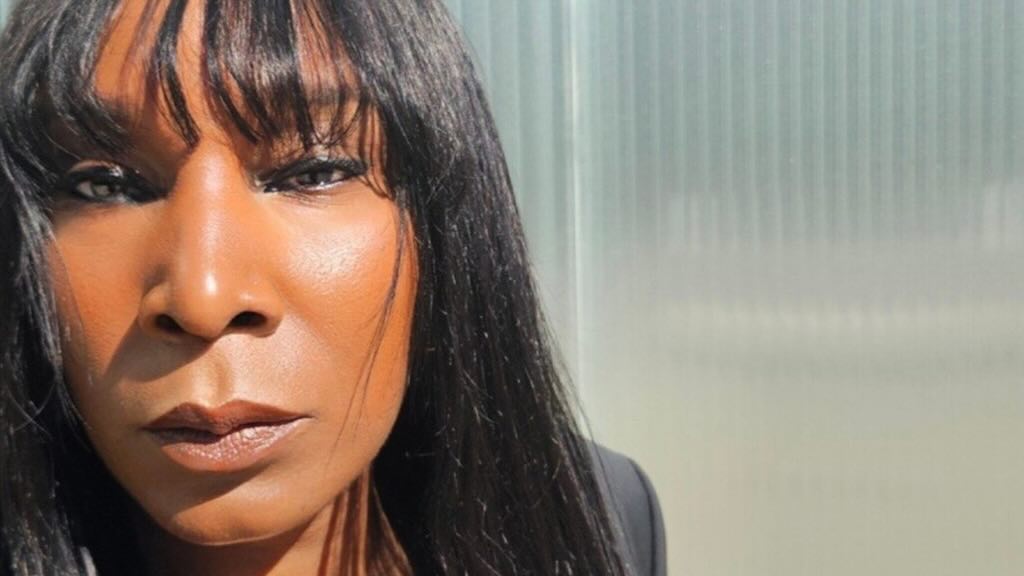
Beauty has always had its instructions. Lately, they have become remarkably specific.
There are brows to lift, pores to blur, shadows to brighten and proportions to correct. None of this is necessarily troubling on its own. Makeup can be useful, pleasurable and wonderfully unserious. But spend enough time around the language of beauty and it becomes possible to learn a surprising amount about what is supposedly wrong with a perfectly ordinary face.
A feature you had barely considered can acquire a name, a technique and a product category. After that, it is harder not to see it.
This is part of what makes NOT OUT LOUD, an editorial project from independent Swiss beauty brand OLANEED, interesting beyond the products attached to it. The company’s own phrase is “Reveal, don’t replace”. Underneath that is a more complicated question: where does the pleasure of doing something to your face end and the feeling that you ought to do something begin?
When did you first notice it?
Think of something about your appearance that bothers you now, then try to remember when it became noticeable.
Some insecurities are old and deeply rooted. Others have much clearer beginnings. An unflattering photograph. A passing comment. A beauty term you encounter for the first time and then seem to see everywhere. There may have been nothing new about your face at all. What changed was your attention.
Modern beauty language is particularly good at directing that attention. Features have categories. Faces have proportions. There are techniques for making individual parts appear longer, shorter, fuller, narrower, higher or more symmetrical. Knowing these things can be useful if you enjoy makeup. It can also introduce a problem you had not known you possessed.
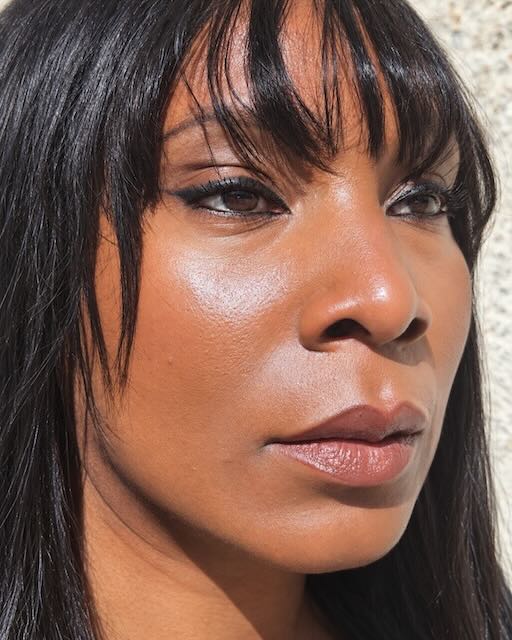
Photography: Diana Bays / OLANEED
There is nothing inherently suspect about learning that blush placed higher on the cheek creates a different effect, or that changing an eyeliner shape changes the appearance of an eye. Technique is part of the pleasure of cosmetics. The difficulty comes when knowledge about how something can be changed quietly becomes a conviction that it should be.
Comparison rarely announces itself
Most of us don’t open a social app with the intention of measuring our face against everybody else’s. Comparison slips into much more ordinary moments: watching someone apply makeup, stopping on a photograph, noticing another person’s skin, discovering that there is an entire product category for a feature you had never thought much about.
There is research behind some of this. A 2026 review of 58 studies examining appearance-focused social media among adolescent girls and young women found appearance comparison, internalised appearance ideals and self-objectification recurring in the relationship between visual social media and body-image concerns. That is a specific body of evidence involving predominantly young female populations, not a description of what happens to every person who scrolls through Instagram or TikTok.
What it does help explain is why the environment matters. On a phone, a friend’s photograph, a cosmetic advertisement, a filtered selfie, an aesthetic procedure and a makeup tutorial can appear minutes apart. They occupy the same screen even though they ask very different things of us.
Sometimes comparison feels like inspiration. You save the picture. You try the technique. Only later do you realise that something about your own face has started to look different to you.
What stays unspoken
NOT OUT LOUD is interested in this less orderly side of appearance. OLANEED founder Diana describes the project as dealing with “the thoughts people edit before saying them aloud.” The campaign material moves through friendship, comparison and confidence, including the familiar experience of having an opinion requested only for somebody else to correct it.
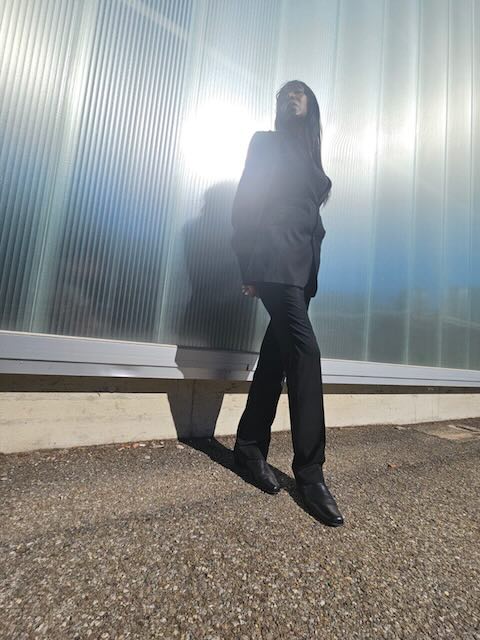
Photography: Diana Bays / OLANEED
Beauty is full of similar contradictions. Confidence is encouraged alongside detailed advice about what could be improved. Self-acceptance has become part of the vocabulary, yet it can sometimes sound like another thing to perform correctly.
Actual relationships with appearance are messier. Someone can like her face and dislike being photographed. She can enjoy makeup without turning the choice into a statement about self-worth. Admiration and comparison can happen almost simultaneously. A person can feel confident on Monday and oddly preoccupied with one small feature on Tuesday.
There is no particular reason to make those contradictions disappear.
Makeup can simply be fun
Making beauty products the villain would miss quite a lot about why people use them. Cosmetics can be ritual, experimentation, identity, habit or five enjoyable minutes in front of a mirror before going out. Sometimes the entire point is transformation.
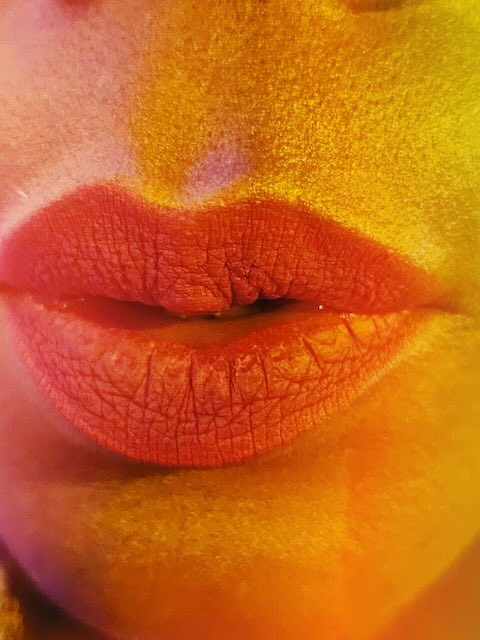
Photography: Diana Bays / OLANEED
You might draw on a dramatic eye because you like how it looks. Wear an improbable color because it changes the mood of an evening. Shape your brows carefully because the process itself is satisfying. None of those choices requires a theory of empowerment to justify it.
The interesting distinction is private. The same eyeliner can be something one person reaches for because she enjoys it and something another feels uncomfortable leaving home without. From the outside, the result may look identical.
OLANEED is part of the industry it is questioning
That matters here. OLANEED’s “Reveal, don’t replace” philosophy exists inside a business that sells cosmetics. Its current eye offering pairs eyeliner with clear brow gel, products intended to alter how features look even if the proposed effect is relatively restrained.
So NOT OUT LOUD shouldn’t be treated as independent evidence that one approach to makeup is healthier than another. It is a beauty company’s editorial position, and there is a commercial context around it. Acknowledging that makes the project more interesting to consider, not less. Beauty brands participate in the culture they comment on; there is no neutral position outside it.
The useful part of OLANEED’s premise is therefore not an instruction to wear less makeup. It is the invitation to notice what happens before the makeup comes out.
Notice when the problem appeared
The list of facial features considered worthy of attention is not fixed. It moves with fashion, products, procedures, celebrities, platforms and the language circulating around all of them. Something can spend years as an unremarkable part of a face before becoming the thing to define, fill, lift, brighten or minimise.
Once you have learned to inspect it, returning to not noticing can be surprisingly difficult.
That doesn’t mean leaving your face alone. Change it if you want to. Decorate it. Exaggerate something. Try the strange color. Spend twenty minutes getting the eyeliner exactly right, or go out without it.
But when a completely new flaw seems to appear in the mirror, it may be worth remembering that the face might not be the thing that changed.