
Feng E has spent much of his life with an instrument in his hands. When he was a child, he would wake up looking for new songs to learn, record his performances and upload them to YouTube. Then came the comments, new followers and the strange experience of discovering that people far beyond Taiwan were watching him play.
His performance of “Classical Gas” helped introduce him to an international audience while he was still a child. Television appearances followed, including The Ellen DeGeneres Show and the Got Talent programmes. He remembers receiving a Golden Buzzer from David Foster on Asia’s Got Talent as the moment he first seriously considered that music might become his profession.
But his earliest years of recognition weren’t spent entirely on stages. As his YouTube audience grew, the pandemic interrupted opportunities to perform live. Much of his first experience of reaching listeners happened through a screen.
Today, Feng E is less interested in how many notes he can fit into a performance. He thinks about tone, the space around a phrase and the feeling a note can carry. It is a quieter way of measuring progress for someone whose playing first attracted attention through its technical difficulty.
His musical world has widened, too. Playing with Resonance Effect has taught him to listen and respond to other musicians, and ideas developed with the band have found their way into songs for his new album. He continues to experiment with different instruments and draws inspiration from landscapes, stories and unfamiliar sounds.
Not every performance has gone the way he hoped. Feng E remembers one difficult show that made him question whether he was ready to pursue music professionally. He prefers to keep its location and circumstances private. What matters to him now is the lesson it left behind: the need to prepare carefully and take each performance seriously.
In conversation with Good Hours, Feng E talks about growing up with an online audience, finding greater expression in fewer notes, learning to play with a band and why his idea of the future is simply to keep making better music.
Good Hours / Music
Artist File — 2026
Artist
Spotlight
Good
Hours
Featured Artist / In Conversation
Feng E
Musician / Ukulele / Composer
“Rather than focusing on how many notes I can play, I care much more about the tone, expression and emotion behind each note.”
Feng E / On His Changing Approach to Music
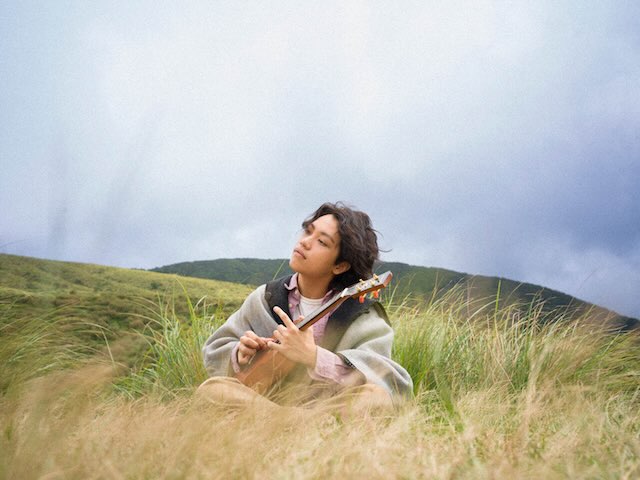
Growing Up With an Audience
Good Hours: You first became known internationally when you were just ten years old. When you look back at that period now, what do you remember most clearly about suddenly having so many people watching you play?
I remember waking up every day and looking for new songs to play, uploading them to YouTube, and suddenly seeing so many comments and new followers. It was definitely a very unusual and exciting experience. Interestingly, just as my YouTube channel was starting to grow, the pandemic happened. At that point, there weren’t many opportunities to perform live, so a lot of my early experience of connecting with an audience came through the internet.
Good Hours: You’ve spent much of your childhood and teenage years performing and developing as a musician. What has been the biggest difference between the way you approached music as a child and how you approach it today?
I think I’ve become much more selective with what I play. These days, I really believe that less is more. Rather than focusing on how many notes I can play, I care much more about the tone, expression and emotion behind each note. I think understanding why you want to play something, and how you choose to play it, is much more important than simply deciding what to play.
Good Hours: Your performances on The Ellen DeGeneres Show and the Got Talent programmes introduced you to audiences around the world. Was there a particular experience from those early appearances that stayed with you long after the cameras stopped rolling?
Receiving the Golden Buzzer from David Foster on Asia’s Got Talent was definitely a surreal moment for me. Before that experience, performing music was something I loved, but I hadn’t necessarily imagined it could become my actual career. Being on that show made me realise, for the first time, that becoming a professional musician could genuinely be a possibility.
Four Strings, More Possibilities
Good Hours: The ukulele is often associated with simple, cheerful music, yet you’ve shown how expressive and technically demanding it can be. What first attracted you to the instrument, and what continues to surprise you about it?
I started learning instruments when I was very young, and I was quite small as a child, so a guitar was simply too big for me to play comfortably. That’s how I ended up spending so much time with the ukulele. What really attracted me to it was the combination of its technical possibilities and its simplicity. The simple voicings, together with having only four strings, create a surprisingly large range of possibilities for finger movements and musical expression. I still find that very fascinating.
Good Hours: With so many people having discovered you at a young age, have you ever felt that audiences had a particular idea of who Feng E should be? How do you balance those expectations with the musician you’re becoming?
I think I’ve always approached music in my own way. I’ve never really wanted to stay within one particular genre or musical identity. I’m simply interested in exploring different kinds of music and sounds, and I think that’s something I’ve always done throughout my career.
The Performance That Changed His Approach
Good Hours: You’ve performed in countries including Japan, Singapore, Malaysia and the United States. Is there a particular city, performance or unexpected encounter that changed the way you see the world?
There was one performance, in a country and under circumstances I’d rather not mention, where I honestly didn’t do very well. At that moment, I seriously questioned whether I was prepared to pursue music professionally. It made me realise that if I really wanted to do this for a living, I needed to practise more and take every performance much more seriously. It was an important lesson for me.
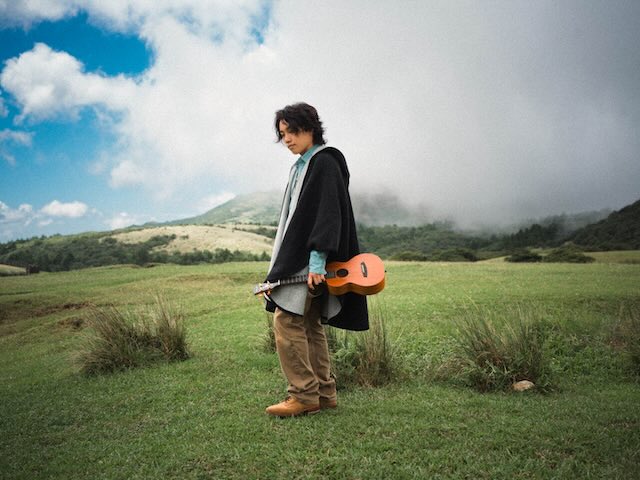
Learning to Listen With Resonance Effect
Good Hours: Your band Resonance Effect has become another important part of your musical life. What does playing with other musicians give you that performing solo doesn’t, and how has it influenced your creativity?
Playing in a band has definitely helped me develop a much stronger sense of timing and groove. It’s a very different experience from performing solo because you have to constantly listen and respond to the other musicians. Interestingly, several songs on my new album originally came from ideas I had been playing with the band. So the experience has also influenced the way I write and arrange music.
Good Hours: You’ve built a substantial audience online. How does it feel knowing that people around the world have watched you grow up through your performances, and has your relationship with social media changed over time?
I’m genuinely grateful for everyone’s support over the years. Social media has also played a huge role in my career. Without it, I don’t think I could have started my professional journey this early.
However, these days I focus much more on what I actually want to do, rather than what I think I should do for social media. I’m not really an influencer in the traditional sense. I’m primarily a performing musician, so I think it’s more important to use social media to share the music and things I’m genuinely interested in. I simply post what I want to post, play what I want to play, and share what I’m working on.
Landscapes, Instruments and New Ideas
Good Hours: When you’re working on new music, what usually comes first — a melody, a rhythm, an emotion or simply the excitement of discovering something new on your instrument?
For me, tone and imagery are often major sources of inspiration. Sometimes it’s a new instrument I’ve just discovered, sometimes it’s a landscape I’ve seen, or a new idea or story that gets my imagination going. These things can inspire the way I think about music and the sounds I want to create.
Good Hours: Away from rehearsals, touring and recording, what does an ordinary day look like for you in Taiwan? What do you enjoy doing that has nothing to do with being a musician?
Honestly, most of my days still revolve around music. I practise, write songs, work on arrangements and spend time recording. One of my more recreational hobbies is searching for and collecting instruments. I guess even my hobbies are still somehow connected to music!
Good Hours: You’ve already experienced things that many musicians spend a lifetime working towards. When you imagine the next chapter of your life, what are you most excited to discover or experience, personally as well as musically?
I think I just want to keep making music. I don’t necessarily have some huge or extraordinary dream that I’m chasing. I want to keep exploring new sounds, discovering better ways to express myself, and hopefully making better music along the way. That’s really what excites me about the future.
Feng E’s days still revolve around music. Even when he isn’t rehearsing, recording or arranging, he finds himself searching for instruments to add to his collection. He laughs at how little distance there is between his work and his hobbies.
He doesn’t describe a grand ambition for what comes next. He wants to discover new sounds, become more expressive and make music he feels is better than what came before. For someone who became known so young, it is a refreshingly open way to think about the years ahead.
Feng E: Frequently Asked Questions
Who is Feng E?
Feng E is a Taiwanese musician known for his expressive ukulele performances. He first reached an international audience as a child through online videos and later appeared on television talent programmes.
How did Feng E become known internationally?
He gained attention through videos of his ukulele playing, including a performance of “Classical Gas.” His appearances on The Ellen DeGeneres Show and the Got Talent programmes introduced his music to further audiences.
Why did Feng E start playing the ukulele?
Feng E says he was small as a child and found a guitar too large to play comfortably. The ukulele became a practical starting point, and he grew interested in the range of expression possible with its four strings.
How has Feng E’s approach to music changed?
He now places greater importance on tone, expression and emotion rather than the number of notes he can play. He describes his current approach as believing that less is more.
What is Resonance Effect?
Resonance Effect is a band Feng E plays with. He says the experience has strengthened his timing and groove and influenced his songwriting and arrangements. Several ideas for songs on his new album began while playing with the band.
What inspires Feng E when he writes music?
He draws inspiration from tone, imagery, landscapes, stories and unfamiliar instruments. These experiences help him imagine new sounds and musical ideas.
What does Feng E enjoy outside performing?
Much of his free time is still connected to music. Alongside practising, writing and recording, he enjoys searching for and collecting instruments.
https://www.instagram.com/FengEOfficial