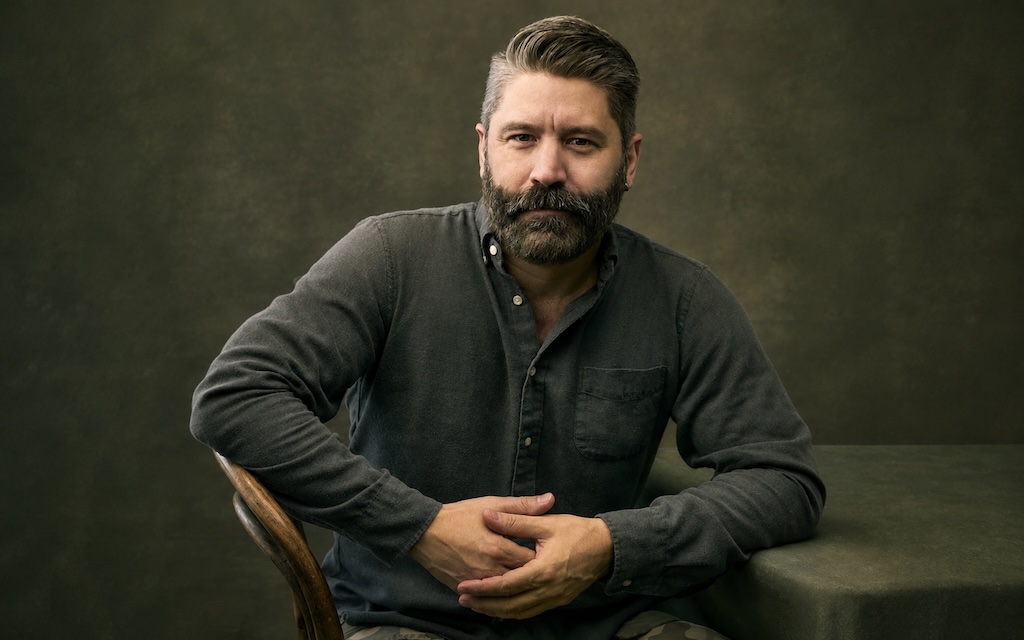
David W. Ross remembers the audition he didn’t book. His husband wasn’t available to read opposite him, the deadline was approaching, and the technology needed to record the scene seemed to demand more attention than the performance itself.
Ross had spent years in front of cameras. He had been part of the British pop group Bad Boys Inc, appeared in the independent film Quinceañera, and written, produced and starred in I Do. But that particular audition left him searching for something surprisingly difficult to find: one application that could handle the practical work of making a self-tape.
He had been interested in coding since childhood, when he copied programs from books and saved them onto cassette tapes. After searching for an existing solution and finding nothing that did everything he needed, he decided to build one himself.
That became Slatable, an app designed to help actors record scenes, work without a live reader and prepare auditions for submission. Ten years on, Ross has heard from performers whose needs he hadn’t anticipated, including neurodivergent actors who find greater freedom in working alone.
There is a tension running through his work. Self-taping has opened doors for performers who live far from major casting centres. It has also turned bedrooms and living rooms into temporary studios, leaving actors responsible for lighting, recording, editing and delivery, often under considerable time pressure.
Ross is interested in what happens around the performance, particularly the moments that technology cannot replace. He misses the brief exchange after an audition, when a casting director might offer an adjustment or simply acknowledge the work. His newer app, AuditionDrop, addresses what happens once a tape is ready to send.
In conversation with Good Hours, Ross reflects on building Slatable, the emotional weight of auditioning from home, his changing creative life and why actors may need less technology, rather than more.
Good Hours / Culture
Creative File — 2026
Artist
Spotlight
Good
Hours
Featured Creative / In Conversation
David W. Ross
Actor / Writer / Filmmaker / App Founder
“They need the technology they already have to be quieter so there’s room for the rest.”
David W. Ross / On What Actors Need
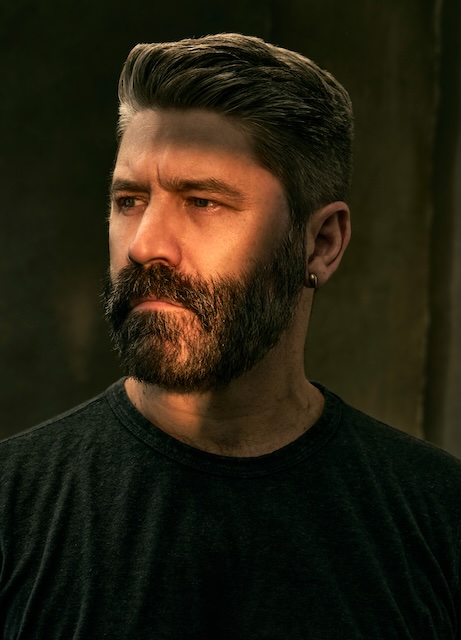
The Audition That Started It
Good Hours: Slatable began with a very ordinary but stressful moment: you had two hours to submit a self-tape, nobody available to read with you, and too much of that time disappeared into trying to make the technology work. Do you remember the point when your frustration shifted from “there has to be a better way” to “I could actually build it”?
I remember it very clearly because it was the search that did it, not the audition. I had an audition where my now husband wasn’t around to read the scene with me, and I had no idea what to do at the time. Self-tapes were kind of new, so the app landscape was lacking. You’d have to cobble together different apps to record the other characters’ lines in the scene, play them back, then record and edit. It took way too long, and consequently my work on the actual scene fell short. To no one’s surprise, I didn’t book the job! But afterwards I went looking for an app that could do everything I’d just been through and just work. There were some reader apps and some apps that helped with editing, but nothing that did it all. I even reached out to someone who had a line-learning app, and they weren’t interested. I think that was the moment. Not “there has to be a better way,” but “nobody is going to make this, so it’ll have to be me.” I’d been fiddling with code since I was a kid, copying programs out of books and backing them up to cassette, so it didn’t feel completely mad. Just mostly mad.
Good Hours: Ten years is a long time to live with something that began as a solution to your own problem. Was there a particular moment when you realized Slatable no longer felt like your solution, but something that had become part of other actors’ working lives?
There was a message from an actor saying they’d booked a job using Slatable. That was the first time I understood it wasn’t mine anymore. But the moment that really got me came much later. I found out that some neurodivergent actors find it very hard to work with a live reader, and that being able to run a scene alone, with the app following them, had given them a kind of freedom I never knew anyone needed. I built it so I could make a tape at 11 pm with nobody around. I had no idea I was making it for people whose problem was bigger than scheduling. That one chokes me up a little. Turns out I may have made an app for myself before I even knew it.
When the Audition Room Comes Home
Good Hours: Because you’re an actor yourself, you understand what happens emotionally before someone presses record — the preparation, nerves and uncertainty that technology can’t solve. What does being on that side of the experience stop you from forgetting when you’re making decisions about the product?
That the moment before you press record is already full. You’ve learned the lines, you’ve made choices, you’re nervous, and the deadline is in two hours. Every tap, every menu, every “where did that setting go” is stealing from that. So when I’m making product decisions, I try to remember I’m not building for someone sitting calmly at a desk. I’m building for someone standing in front of a tripod in their living room with their heart going. The app has to get out of the way. If a feature adds a decision at the wrong moment, it doesn’t go in, however clever it is. My husband is brilliant at this, actually. He’ll pick it up and say “I don’t understand why I can’t do this,” and he’s usually right.
Good Hours: Self-taping gives actors enormous freedom, but it also means the audition room has followed them home. Actors can become their own reader, camera operator, editor and technical support before they’ve even performed the scene. Do you think the convenience of self-taping has created new pressures alongside the freedom?
Absolutely. The audition room used to come with a camera operator, a reader, decent lighting, and someone to say “thanks, that’s great.” Now the actor is all of those people, plus the editor and the IT department, and they’re expected to do it for free, on a deadline, often several times a week. That’s a lot to put on someone who trained to act, not to light a room. The freedom is real. You can tape from anywhere, you get more than one go, and you’re not sitting in a corridor for two hours for a three-minute slot in a room full of people who look almost exactly like you. But the industry quietly shifted to rely on actors to do all the tech and, let’s be honest, not everyone knows how to edit in iMovie, and plenty don’t want to. The fun of acting is not setting up a home studio and busting out Final Cut Pro to make sure your tape looks professional. But it is part of the process now, whether we like it or not, so my whole job is trying to take some of that weight back off the actor and let them shine without getting bogged down in the tech of a self-tape.
Good Hours: There’s something interesting about doing an audition in a bedroom, living room or wherever someone can find enough quiet and a suitable background. When the traditional audition room disappears, does something about the psychology of performing change too?
I think this is a very interesting question. A lot of green actors get caught up thinking their self-tape setup is going to book them the job rather than their performance. They need the best microphone, the right backdrop, and so on, but in the end all we really need is to see you and hear you clearly. Obviously, if the best tech helps you feel more grounded, great, but don’t think that because you have three-point lighting and the “correct color” background you’re going to book the job. As a casting director, I’ve seen some interesting rooms, and I don’t care. If the actor has made sure I can see them and hear them, and has obviously done the work, that’s all that matters to me. The pressure has shifted, is all. I think you still get the same nerves, at least I do, as you would driving to an in-room audition. You don’t get instant adjustments, which can really upset some actors, but if you’re way off and casting likes what you did, they’ll ask you to tape it again. What’s great is that a lot of casting directors talk about all of this on social media. The flip side is people hyper-focusing on which background color is going to get them in front of producers. If you’re thinking about all that, you’re not focusing on what your character is focused on in the scene. And it will probably show.
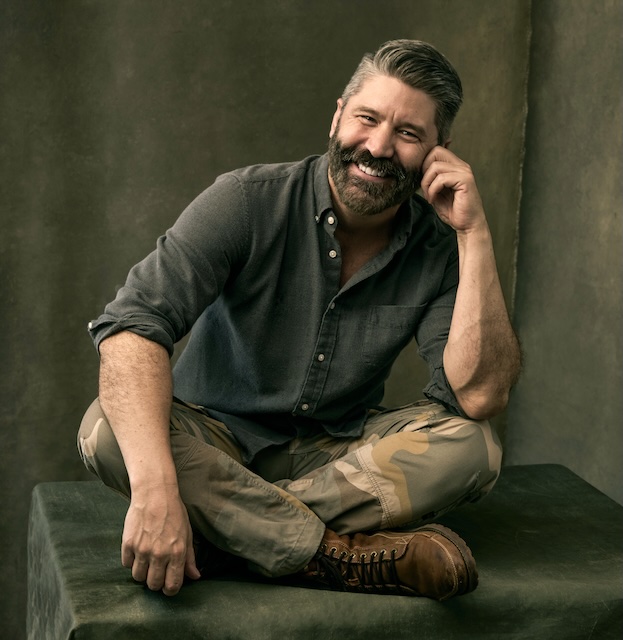
Making the Technology Quieter
Good Hours: Slatable has developed through feedback from actors actually using it. After a decade of hearing what performers struggle with, have you discovered that the problems actors say they have with technology are sometimes different from what is really getting in the way?
Because Slatable is more than a reader app, with auto-edit features and only the tools that help you look professional, we tend to attract a certain type of actor. People will tell me they have a problem with the camera or the file size, but what’s usually in the way is being in their head about the tech at the exact moment they need to be in the scene. So that’s what I focus on: whatever keeps them in the scene and out of their head.
Good Hours: AuditionDrop tackles another seemingly mundane part of the process — getting the finished audition to the right people. You seem particularly interested in removing all the little pieces of friction surrounding creative work. Is there a point at which you know technology is doing its job precisely because the person using it stops thinking about the technology?
When nobody mentions it. With AuditionDrop, the whole point is that the actor finishes a tape, chooses which takes they want to send, and with one tap it’s done. They don’t have to think about anything else. I can’t tell you the kinds of files I get sent when I’m casting a job. I’ve had people send me project files. Not one exported video, the whole project. Then there are resolution issues and all the rest of it. With AuditionDrop, that’s all taken care of, and the new version allows feedback from their reps and from casting, if they want it. We’re also trying to help casting directors, who have each had to set up their own workflows, which makes things even more complicated for actors because every office does it a different way.
The Creative Instinct Behind the Work
Good Hours: You’ve moved from being in a British pop group to acting, writing and producing films, and eventually building technology for other performers. Looking back, do those feel like separate chapters of your life, or can you now see the same instinct running through all of them?
I’ve felt a thread all the way through, to be honest. I just want to create things that help in some way. Being a pop star obviously sounds like the outlier. It wasn’t my first career choice, but I couldn’t turn it down. My mum had just died of cancer, and I used that experience to talk about grief and reach out to fans who were going through huge things in their own lives. I grew up around my parents’ printing shop in a small town, and I think that really shaped me. My brother and I pitched my dad what was basically VistaPrint in 1996. He didn’t get it. I crowdfunded a film because nobody was going to fund it for me. I built Slatable because the app didn’t exist. The instinct is always the same: there’s a gap, and I can’t leave it alone. The medium just keeps changing.
Good Hours: Building a company and being a creative person require very different kinds of attention. How do you protect the part of yourself that still wants to act, write or make something when there’s always another business decision waiting to be made?
There’s a lot of creativity in making an app. The features are one thing, but then there are assets to create and endless decisions to make, and I’m lucky that I enjoy most of that. It feels creative to me. I do miss writing, but I write code now. Designing a feature so an actor can run lines alone at midnight is not that different from solving a scene when I’m writing. It scratches the same itch. When we’re in a sprint, and it’s all hands on deck, though, I don’t always protect that side of myself well, if I’m honest. What I’ve learned is that it has to be deliberate. I go off-grid camping at least twice a year, and I keep hobbies that have nothing to do with apps or acting, music especially, which is where I started. I’ve had to learn to treat that time as part of the job rather than a reward for finishing it, because the job never finishes.
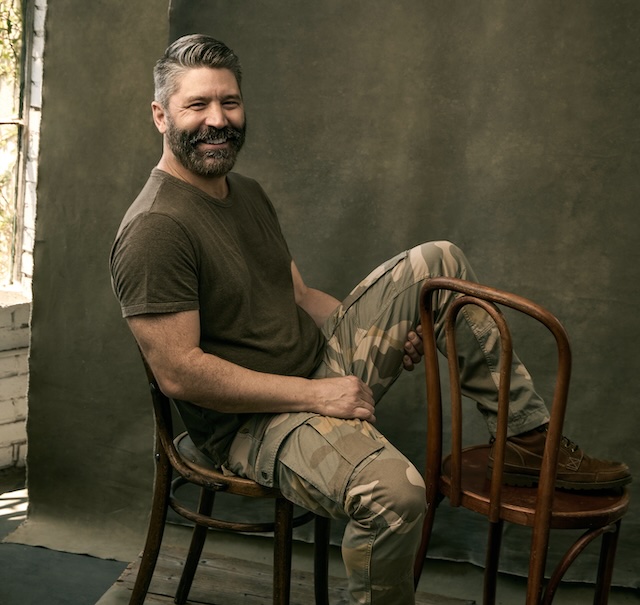
What Gets Lost Between Takes
Good Hours: Ten years also means you’ve watched the entertainment industry and its relationship with technology change enormously. What do you think we’ve gained by making so much creative work possible from almost anywhere — and is there anything from the more human, in-person way of working that you worry we’re losing?
We’ve gained access. An actor in a small town can be seen for a job in LA or London without a flight, and a casting director can look at far more people than a room ever allowed. That’s genuinely good, and I don’t want to romanticize sitting in a waiting room. What I worry about is the loss of the thirty seconds after the read. The “that was lovely, try it once more but tighter.” That little bit of human direction taught actors things, and it told them someone was in it with them. Now a tape goes into the void, and often nothing comes back. That’s a big part of why I care so much about what happens after a tape is sent, not just how it’s made. Casting directors are rooting for actors. They love actors and are our biggest cheerleaders. I’ll absolutely push for someone I think is right for the job. With fewer in-room auditions and less feedback, that connection gets a little lost. But there are new ways to reach out to casting, and most will tell you if you ask.
Good Hours: After ten years of building tools designed to remove obstacles between an actor and an audition, what do you think performers actually need more of right now — better technology, more time, more confidence, more human connection, or something else entirely?
Less noise. I know I’m the person who makes the technology, but I don’t think actors need more of it. They need the technology they already have to be quieter so there’s room for the rest. Then I’d say two things. Time, because the deadlines are brutal and everything we build is really about giving a few minutes back. And someone on the other end. An acknowledgement, a note, a “we saw it.” That’s not something an app can fully provide, but we can make it easier for that human connection to happen, and that’s why I love what I do with Slatable. If I’ve done my job right, the tools fade and what’s left is an actor, a scene, and a bit more confidence that it reached someone who cares.
Ross still makes time to go off-grid camping, away from the screens and decisions that fill much of his working life. He speaks about that time not as a luxury, but as something he has learned to protect.
There is a similar concern in the way he talks about acting. The tools can be improved, the process made faster, and the files delivered without confusion. But none of that replaces the feeling of someone watching carefully, recognising the work and offering a few words in return.
Frequently Asked Questions About David W. Ross
Who is David W. Ross?
David W. Ross is an actor, writer, film producer and technology founder. His work includes the films Quinceañera and I Do, the British pop group Bad Boys Inc, and the audition apps Slatable and AuditionDrop.
What is Slatable?
Slatable is an app that helps actors create self-tape auditions. It allows performers to record other characters’ lines, work without a live reader and edit their takes using tools within the app.
Why did David W. Ross create Slatable?
Ross created Slatable after struggling to complete an audition when nobody was available to read the scene with him. He found that existing apps required too many separate steps and decided to build a more complete solution.
When did Slatable begin?
Ross launched the first Slatable beta in 2015. The project reached its tenth-anniversary milestone in 2025.
What is AuditionDrop?
AuditionDrop is a tool for sharing self-tape auditions. Ross says its newer version adds options for feedback from representatives and casting professionals.
How has self-taping changed acting auditions?
According to Ross, self-taping has made auditions more accessible to performers outside major cities. It has also shifted responsibility for recording, lighting, editing and file delivery onto actors themselves.
What does David W. Ross think actors need most?
Ross believes actors need fewer technical distractions, more time to prepare and stronger human connections during the casting process, including acknowledgement and feedback after submitting an audition.
🌎David W. Ross & Slatable Links
Slatable Instagram | Slatable Website | David W. Ross IMDb