There’s a particular kind of disappointment that comes with arriving at a famous beach and discovering that the photograph told only half the story. The water is beautiful, certainly, but the sand is crowded, there’s nowhere to find shade, and the journey took considerably longer than expected.
None of that necessarily makes it a bad beach. It does, however, raise a useful question: what makes a beautiful beach worth visiting?
For some travelers, the answer is clear water and somewhere comfortable to swim. Others want dramatic scenery, a memorable coastal walk or a quiet afternoon away from busy resort towns. A beach that delivers one experience brilliantly may be a poor choice for another.
The five destinations below aren’t presented as a definitive ranking. They’re places with distinctive landscapes and compelling reasons to visit, alongside practical considerations that can help you decide whether they’re right for your trip.
1. Praia da Marinha, Portugal: For a beach day with spectacular coastal scenery
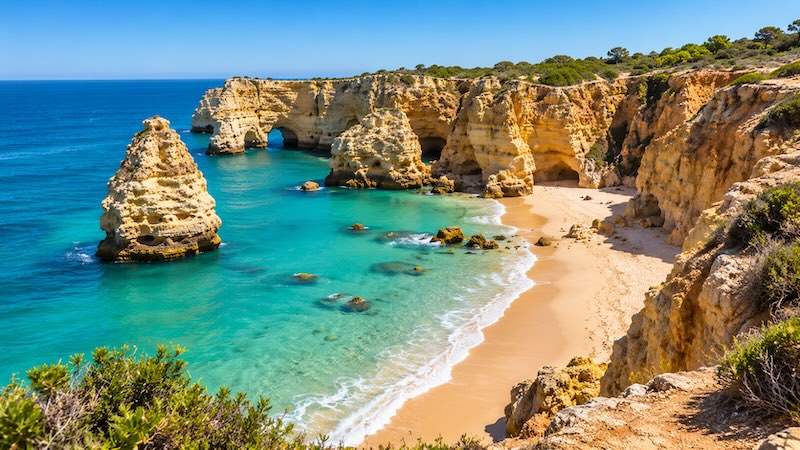
The Algarve has no shortage of attractive beaches, but Praia da Marinha stands out for the landscape surrounding it. Golden limestone cliffs rise above a sheltered-looking stretch of sand, while natural arches and rock formations give the coastline a character that changes with the light.
What makes it particularly appealing is that the beach is only part of the experience. The surrounding coastal paths offer views across the cliffs and sea, making it possible to enjoy the setting even if you don’t intend to spend the entire day on the sand.
The nearby Seven Hanging Valleys Trail is an additional reason to visit this part of the Algarve. Walking along the clifftops provides a very different perspective from looking up at them from the beach.
There is a practical catch. Reaching Praia da Marinha involves descending a long staircase, and the climb back up can be tiring in hot weather. The usable beach area also changes with the tide. This is not the place to assume that every stretch of sand visible at low tide will remain accessible throughout the afternoon.
Best for: Coastal scenery, photography, walking and travelers who enjoy combining a beach visit with exploring.
Consider before visiting: Stairs, limited space at higher tides, seasonal crowds and changing sea conditions. Keep away from unstable cliff edges and follow local safety signs.
Planning resource: Visit Portugal.
2. Flamenco Beach, Puerto Rico: For a Caribbean beach worth making a day of
Flamenco Beach on Culebra has many of the qualities travelers imagine when they think of the Caribbean: pale sand, clear turquoise water and a wide shoreline framed by green hills.
Its appeal isn’t limited to the view. Flamenco is known for relatively calm conditions compared with more exposed beaches, making it attractive to people who want to spend time in the water as well as on the sand. Conditions can still change, so it’s important to assess the sea on the day rather than assume swimming is always safe.
Culebra itself adds to the experience. The island is small, with other beaches and snorkeling opportunities for travelers who want more than a single afternoon beside the water.
Getting there, however, takes planning. Culebra can be reached by ferry from Ceiba or by small plane from Puerto Rico’s main island. Once you arrive, you still need transportation to Flamenco Beach.
That extra journey is part of the decision. If you have only a few hours available, it may not be the most relaxing option. If you can spend a full day or stay overnight on Culebra, the trip becomes easier to enjoy without watching the clock.
Best for: Caribbean beach relaxation, clear-water swimming when conditions permit, and travelers happy to make an island excursion.
Consider before visiting: Ferry or flight arrangements, local transportation, weather disruptions and the possibility of crowds. Confirm current facilities and services before departure.
Planning resource: Discover Puerto Rico’s Culebra guide.
3. Whitehaven Beach, Australia: For a landscape unlike an ordinary beach resort
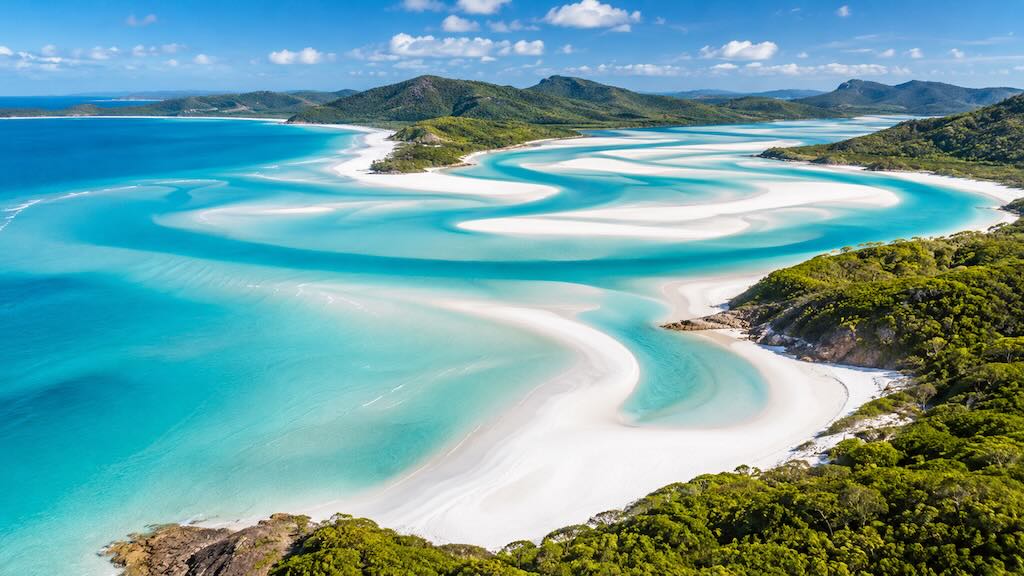
Whitehaven Beach, in Queensland’s Whitsunday Islands, is famous for its exceptionally white silica sand and the striking contrast it creates with the surrounding blue-green water.
Stretching for approximately seven kilometers along Whitsunday Island, it offers a sense of scale that’s difficult to appreciate in photographs. At the northern end, the shifting sandbanks of Hill Inlet create the swirling patterns that have become one of Australia’s recognizable coastal images.
Whitehaven is especially rewarding for travelers interested in the landscape itself. A boat trip, time walking along the shore and a visit to a lookout can be as memorable as swimming.
But it isn’t a conventional resort beach. You cannot simply drive to it, and there are limited facilities in the national park day-use areas. Visitors typically arrive by commercial boat tour, charter or other organized transfer from the Whitsundays region.
Marine safety also matters. Tropical Queensland waters can contain dangerous jellyfish, particularly during the higher-risk marine stinger season from November through May. Queensland authorities advise following local warnings and using protective clothing when appropriate. Other marine hazards may also be present.
Best for: Exceptional scenery, boat excursions, coastal walking and travelers who want to experience a protected island landscape.
Consider before visiting: Tour arrangements, limited facilities, weather, marine stingers and whether your chosen excursion includes the lookout or beach areas you most want to see.
Planning resource: Queensland Parks: Whitehaven Beach.
4. Anse Source d’Argent, Seychelles: For a beach that feels like a different landscape
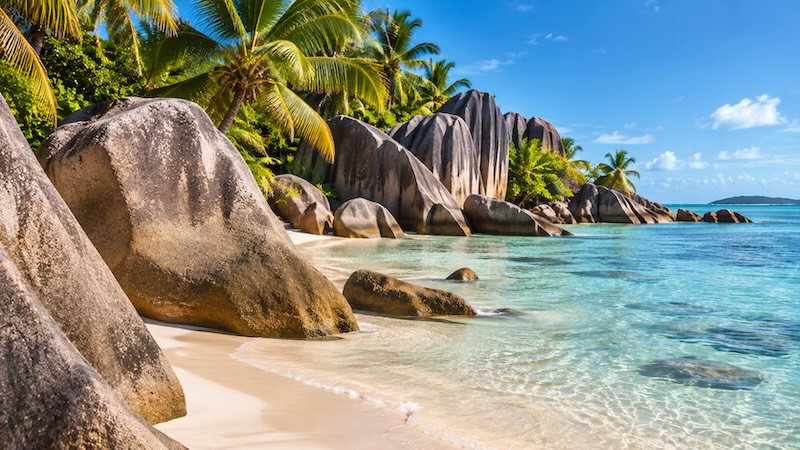
On La Digue in Seychelles, Anse Source d’Argent offers a setting that looks almost sculptural. Enormous granite boulders divide stretches of pale sand, with shallow water and tropical vegetation filling the spaces between them.
It’s the rocks that make this beach so distinctive. They create sheltered-looking corners, dramatic shapes and a coastline that feels different from a long, uninterrupted sweep of sand.
La Digue is also an appealing place to explore at a slower pace. Cycling is a popular way to move around the island, and visiting the beach can become part of a longer day discovering its villages and coastal scenery.
There are two details worth understanding before you go. First, access to Anse Source d’Argent is through L’Union Estate, where an entrance fee applies. Second, the water is shallow in places, and the swimming experience depends heavily on the tide.
At low tide, the beach may be more rewarding for walking, wading and appreciating the scenery than for swimming. At higher tide, conditions can be different, but visitors should still check local advice and avoid assuming that shallow water is automatically safe.
Its reputation also means that you’re unlikely to have the entire beach to yourself. If complete solitude is your priority, this may not be the ideal choice.
Best for: Unusual scenery, leisurely exploration, photography and travelers interested in the character of La Digue.
Consider before visiting: Estate admission, tide times, crowds, limited swimming depth and the journey between Seychelles islands.
Planning resource: Seychelles Tourism.
5. Lucky Bay, Australia: For white sand, open space and a remarkable natural setting
Lucky Bay, in Cape Le Grand National Park near Esperance in Western Australia, offers something different from a tropical island beach.
Its brilliant white sand curves around a broad bay, backed by low vegetation and granite hills. The landscape feels open and expansive, with the kind of coastline that invites a long walk without needing a particular destination.
The beach is also known for occasional kangaroo sightings, although wildlife appearances are never guaranteed. Visitors should observe animals from a respectful distance and avoid feeding them.
Unlike Whitehaven, Lucky Bay is accessible by road. The national park has designated parking, toilets and picnic facilities, making it practical for a day trip from Esperance if you have a vehicle.
That doesn’t mean it offers the same experience as a tropical swimming destination. Western Australia’s southern coast can be cool and exposed, and ocean conditions vary. Even on a sunny day, the water may feel colder than expected.
The surrounding national park is part of the appeal, with opportunities for coastal walks and exploring other beaches. Lucky Bay makes the most sense for travelers who enjoy natural scenery and are prepared to spend time in the wider Esperance region.
Best for: Long beach walks, natural scenery, wildlife observation and travelers exploring Western Australia’s southern coast.
Consider before visiting: National park entry fees, road travel, cooler water, changing weather and local swimming conditions.
Planning resource: Western Australia Parks: Lucky Bay.
Which beach is right for your trip?
These five beaches offer very different experiences. The most useful comparison isn’t which one looks best in a photograph, but what you’ll actually do when you arrive.
| Beach | Best reason to visit | Main consideration |
|---|---|---|
| Praia da Marinha, Portugal | Cliffs, coastal walks and scenery | Stair access and tides |
| Flamenco Beach, Puerto Rico | Caribbean beach relaxation | Ferry or flight to Culebra |
| Whitehaven Beach, Australia | White silica sand and island scenery | Boat access and marine hazards |
| Anse Source d’Argent, Seychelles | Granite formations and distinctive landscape | Entrance fee and tide-dependent swimming |
| Lucky Bay, Australia | Wide-open coastline and nature | Remote location and variable sea conditions |
What to check before visiting a famous beach
Before planning an entire vacation around a beach photograph, spend a little time checking the details that will shape your day.
- How will you get there? Some beaches are accessible by road, while others require a ferry, boat tour or a substantial walk.
- Can you comfortably swim? Beautiful water doesn’t guarantee safe conditions. Look for information about currents, waves, tides, marine life and lifeguard services.
- What facilities are available? Toilets, drinking water, shade and places to buy food can make a major difference, particularly if you’re traveling with children.
- When is the best time to visit? Weather patterns, crowds and water conditions may matter more than the average air temperature.
- What else is nearby? A beach that requires a long journey is often more rewarding when combined with other experiences in the region.
For remote or protected destinations, check official park notices and local travel advice shortly before departure. Access rules, weather and services can change.
The best beach isn’t always the most famous
There is something appealing about visiting a place you’ve seen in photographs for years. Sometimes the reality is every bit as memorable. Other times, a quieter beach discovered during the same trip becomes the one you remember most.
That’s worth keeping in mind when planning a coastal vacation. A spectacular landscape may justify a difficult journey, but it doesn’t have to be the place where you spend every afternoon.
The beaches that stay with us aren’t necessarily the ones with the whitest sand or the clearest water. They’re the places where the setting, the experience and the day itself come together.
Choose the beach that offers the kind of day you actually want to have. The photographs can come afterward.
Frequently Asked Questions
What makes a beach worth visiting?
A beach is worth visiting when its scenery and activities match your interests and the journey is reasonable for your trip. Swimming conditions, access, facilities, crowds and nearby attractions can matter just as much as appearance.
Which of these beaches is best for swimming?
Flamenco Beach is particularly appealing to travelers looking for a Caribbean swimming experience, although conditions vary. Other beaches on this list have tide-dependent water, seasonal marine hazards or cooler temperatures. Always check local safety advice before entering the water.
Which beach is best for photography?
Whitehaven Beach is distinctive for its white sand and Hill Inlet views, while Anse Source d’Argent is known for dramatic granite formations. Praia da Marinha offers impressive limestone cliffs and coastal viewpoints. The best choice depends on the landscapes you enjoy photographing.
Are famous beaches always crowded?
Not always, but popular beaches can become busy during peak travel periods, holidays and tour arrival times. Visiting outside the busiest season or choosing a longer stay may give you more flexibility, provided weather and local conditions remain suitable.