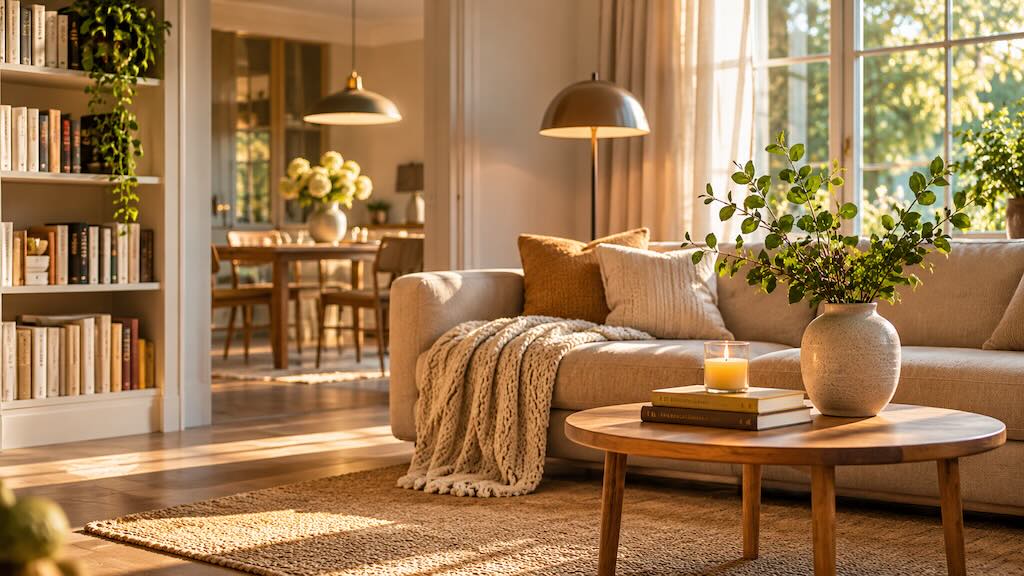
A home can look beautiful in photographs and still be frustrating to live in. The coffee table is always in the way. The kitchen has plenty of cabinets, but the things you use most are difficult to reach. The bedroom looks peaceful until you need to find something in the dark.
These are not necessarily problems that require a renovation, new furniture or a larger home. Often, they come down to small design decisions that have never been reconsidered.
Good home design should make ordinary activities feel easier. It should accommodate how people move, cook, work, rest, clean and share space. And because those routines change, the best arrangements are rarely the ones that look most impressive on the day they are finished.
Start with the moments that interrupt your day
Before rearranging a room, notice what repeatedly goes wrong. Do you have to move a chair to open a cabinet? Does everyone leave their bags on the dining table because there is nowhere convenient to put them? Do you carry laundry across the house because the hamper is in the wrong place?
For a few days, pay attention to these small interruptions. Write down the activity, the obstacle and where it happens. You may discover that a room you thought needed more storage actually needs better access to the storage it already has.
Prioritize problems by how frequently they occur, how inconvenient they are and whether they affect safety. A difficult-to-reach light switch or a walkway obstructed by furniture deserves attention before an unattractive shelf.
Make it easier to move through each room
Furniture placement affects daily comfort more than many decorative purchases. A sofa might fit perfectly against a wall while leaving an awkward route to the doorway. A generously sized dining table may become inconvenient when chairs cannot be pulled out without hitting something.
Think about the paths people actually take: from the entrance to the kitchen, between the bed and bathroom, or from the sofa to a window. These routes should feel natural without requiring anyone to turn sideways or step around obstacles.
As a starting point, try to preserve around 30–36 inches of clear space along frequently used routes where the room allows. This is a practical planning reference, not a universal residential building requirement. Homes used by wheelchair users or people with mobility aids may need different clearances, turning areas and doorway considerations.
Before replacing furniture, try moving it. Tape out the footprint of a proposed piece on the floor, then walk around it, open nearby drawers and pull out chairs. The dimensions on a product page rarely tell you how a room will feel in use.
For a more detailed approach to arranging seating and circulation, see our guide to living room furniture arrangements that work.
Put useful light where you need it
One ceiling fixture may illuminate a room, but it rarely serves every activity equally well. Reading, chopping vegetables, getting dressed and relaxing in the evening have different lighting needs.
Start with the task rather than the fixture. A lamp beside a reading chair can be more useful than a brighter ceiling light. Under-cabinet lighting can illuminate a kitchen counter that is otherwise shadowed by the person standing in front of it. A bedside lamp with an easy-to-reach switch can make the bedroom more comfortable at night.
The U.S. Department of Energy’s guidance on efficient lighting distinguishes between ambient lighting for general visibility, task lighting for specific activities and accent lighting for visual emphasis. For everyday comfort, task lighting is often the most overlooked.
Pay attention to glare, too. A bare bulb in your line of sight or a lamp reflected in a television screen can be irritating even when the room is technically bright enough. Adjustable shades, diffusers and carefully positioned fixtures can make a meaningful difference.
Store things where you use them
Storage works best when it follows behavior rather than an idealized picture of tidiness. If keys are always left near the front door, that is probably where a key tray belongs. If blankets migrate to the sofa every evening, give them a nearby basket instead of expecting them to return to a distant closet.
Put frequently used objects in the easiest-to-reach positions. Reserve high shelves and deep cabinets for occasional items. Group supplies according to the activity they support: coffee equipment near the coffee maker, cleaning products near the areas where they are safely used, and charging cables near the places where devices are charged.
Be careful about buying organizers before understanding the problem. A set of matching containers may look satisfying but can waste space if the sizes are wrong or add extra steps to a simple routine.
Measure the cabinet, identify what needs to fit and test whether you can retrieve items comfortably. Sometimes removing an unnecessary divider or relocating one shelf solves more than purchasing an elaborate storage system.
Choose surfaces you can comfortably maintain
Materials are often selected for their appearance, with maintenance considered afterward. But a beautiful surface that demands constant attention may not be the right choice for a busy household.
Before choosing a countertop, rug, sofa covering or floor finish, ask what it will encounter: water, cooking grease, pet hair, muddy shoes, sunlight or frequent cleaning. Consider whether stains can be removed, whether the surface needs sealing and whether repairs are practical.
A delicate fabric might be perfectly suitable for an occasional-use chair but frustrating on the household’s most-used sofa. A textured floor may hide some marks while making crumbs harder to remove. Neither option is inherently wrong; the right choice depends on the room and the people using it.
In kitchens and bathrooms, moisture resistance matters as much as appearance. The U.S. Environmental Protection Agency advises controlling moisture and selecting materials suited to areas that may become wet. Decorative finishes cannot compensate for leaks or inadequate ventilation.
Give everyday transitions somewhere to happen
Some of the most useful spaces in a home are not full rooms. They are small areas that support the transition between activities.
Near the entrance, a place to sit while putting on shoes, a hook for a coat and a tray for keys can prevent clutter from spreading into the living room. Beside a bed, enough surface space for a glass of water, a book and a lamp can be more valuable than an oversized decorative nightstand.
In a shared household, think about where routines overlap. If two people prepare breakfast at the same time, placing everything in one crowded corner may create unnecessary friction. Separating the toaster, coffee station and food preparation area can make the kitchen easier to share, provided electrical outlets and counter space allow it.
These arrangements do not need to be elaborate. Their value comes from giving everyday objects and activities a sensible place.
Design for the home you have now
A room that worked well five years ago may no longer suit your life. Remote work, children, pets, aging relatives or a change in hobbies can alter what a household needs from the same square footage.
Flexible furniture can help, but versatility is not automatically useful. A folding desk is only a good solution if it is comfortable to use and easy to put away. A storage ottoman only helps if opening it is convenient enough that people actually use it.
Consider changes that can be reversed: movable lamps, adjustable shelving, furniture that can serve more than one room and storage that does not depend on permanent installation. Renters should check lease restrictions before drilling or altering fixtures, and everyone should anchor furniture where needed to prevent tip-over hazards.
Spend money in the order that problems affect you
Not every improvement deserves the same budget. A useful way to decide is to separate changes that remove a daily frustration from purchases that mainly change a room’s appearance.
- Start with free adjustments: move furniture, clear walkways, reorganize frequently used items and relocate existing lamps.
- Then try inexpensive fixes: add a hook, replace a poorly placed organizer, introduce a task light or improve cable management.
- Consider larger purchases only after testing: replace furniture that genuinely does not fit, upgrade inadequate lighting or invest in storage that solves a recurring problem.
- Address safety and building issues promptly: leaks, unsafe electrical fittings, unstable furniture and serious ventilation problems are not cosmetic projects.
For a purchase you are unsure about, try living with a temporary arrangement for a week. Move a spare table into the proposed position, use a portable lamp or mark out furniture dimensions with tape. You will learn more from everyday use than from imagining the finished room.
The most successful changes may barely be noticed
Good design does not always announce itself. Sometimes it means you stop bumping into the coffee table, can find what you need without opening four drawers or have enough light to read comfortably at the end of the day.
Those improvements may not transform a room in photographs. They do something more useful: they make the home better suited to the life taking place inside it.