
Building a creative career is one thing. Finding a way to sustain it, through changing ambitions, uncertain opportunities and the pressure to keep moving forward, is another.
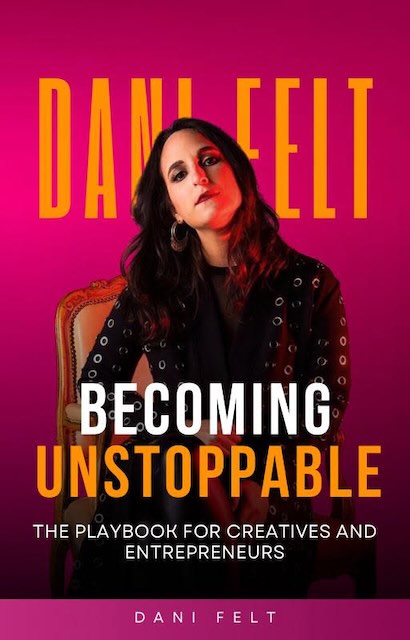
For Dani Felt, creativity and entrepreneurship have become closely connected. A recording artist, author, publicist and branding strategist, she has worked across different sides of the entertainment industry while building her own ventures, including Music Industry Mastery. Her book, Becoming Unstoppable, explores the mindset behind pursuing ambitious goals.
But what does it actually mean to build a creative life that lasts? And how do you recognise when persistence is helping you grow—or when it’s time to change direction?
For Felt, those questions are not confined to business strategy. She describes removing social media from her phone after noticing how much time she spent comparing herself with others. She speaks openly about the difficulty of rejection, the work of setting boundaries and the days when she needs music, a good cry or simply time away from work.
In this Good Hours conversation, Dani Felt reflects on the relationship between creativity and business, the realities of building something independently, and what success can mean beyond professional achievements.
Good Hours
In Conversation
For the hours
that make a life.
The Creative Life
Dani Felt
Artist · Author · Entrepreneur
If you are hugely successful but miserable, what’s the point?
Dani Felt · On ambition
Good Hours — Culture / 2026

The Business of Being Creative
Good Hours: You’ve spent more than a decade working across different sides of the creative industries — as an artist, publicist, entrepreneur and someone helping other creatives build their careers. What do you understand about making a creative life work now that you simply couldn’t have understood when you were starting out?
That it is 90% about building an audience + having a strong business mindset and 10% talent.
Good Hours: Becoming Unstoppable grew partly out of emails you had been sending to your creative community. Was there a particular piece of advice or recurring problem that made you realize those conversations could become something larger?
I think what inspired me most to publish is my magical perspective on how I view the world. How when you start to change your story, everything starts to shift. I saw so many people struggling and just felt called to share my message and the way I view things. I felt it was selfish to not share what I learned from so many amazing coaches over the past few years, especially.
When Ambition Becomes Comparison
Good Hours: Creative ambition is usually presented as something unquestionably positive: work harder, believe bigger, don’t give up. But when have you seen ambition become unhealthy, either in your own life or in the industry around you?
As I say in Chapter 1, Fuck Perfection. It is not about being perfect, nor is it only about achieving success. It is about self-worth, self-love, and being happy! If you are hugely successful but miserable, what’s the point? On the opposite end, if you are struggling because you feel bad charging for your services or do not believe in your self-worth, that is a problem.
I recently had to remove social media from my phone and quit scrolling because it was eating up so much of my time and hurting my motivation. It would constantly put me in comparison mode and make me feel not good enough. I would find myself wanting to purchase everything these influencers were speaking about and feeling like I am not enough without XYZ services, ABC services, XYZ retreat, etc.
I had to take a step back and breathe. I had to let go of this social media scrolling addiction and take control back in my own life. To set goals to compete with myself and not focus so much on others.
Good Hours: You write about money and knowing your worth, which can be especially complicated when the work is personal. Was there a point when you had to learn that being good at creating something and being comfortable charging for it are two completely different skills?
Oh, 100%, it is two different skills. It all comes down to self-love. If you love yourself, you will charge what you are worth. If you do not believe in yourself, do not feel worthy of receiving, you will find ways to minimize your offers or minimize your income. It all starts with self-love!
Learning to Say No
Good Hours: Saying yes can build a career, particularly at the beginning. Eventually, though, saying no can become just as important. What have you learned about boundaries, and was there a time when an opportunity that looked good on paper simply wasn’t right for you?
OH MY GOSH YES. I am constantly still working on learning to say no. It can be so easy to say YES but then later regret it. I say ask for signs. I ask my divine team to connect with the right aligned opportunities. I pray to angels and ask them to bring people into my life to guide me and my soulmate clients and aligned partnerships.
I also listen to my body, is it hell yes or f*ck no? Your body will know! Saying no is freedom. Saying no helps you step into your power.
Good Hours: You work in industries where confidence is almost part of the job description, but confidence isn’t permanent. What happens on the days when the person telling other creatives to believe in themselves doesn’t feel particularly unstoppable herself?
Of course, no one is perfect, and I would never pretend to always be happy and have all the answers. One of the most beautiful parts of being human is the ability to feel a spectrum of emotions, and some are really sad.
When I am feeling blah or sad, I will blast music like Olivia Rodrigo, eat some satisfying food, and cry! I also love to use tapping (Emotional Freedom Technique) to release emotions by tapping on the meridian points. Sometimes going to the gym also helps me, especially if I am feeling frustration or anger. Also, sometimes I will channel that emotion in writing.
Sometimes I have to just take a day and do nothing. I sometimes just need to reset my nervous system. It is okay to do that, and that is one of the biggest advantages of working for yourself and making your own schedule. Though some days can be really tough, I believe it is worth the freedom.
“Saying no is freedom. Saying no helps you step into your power.”
Dani Felt
Making Peace With Rejection
Good Hours: Rejection is built into creative work, but we’re often told to treat every rejection as motivation. Have you learned to distinguish between the rejection you should push through and the feedback that is actually telling you something useful?
Ugh, rejection is tough! I still struggle with it a lot. However, I try to also look at it from a spiritual lens: what’s meant to be for me will be. If it is not meant to be for me, it will not be. I also try to say the phrase, bring me this or better.
But yeah, it can be tough! Sometimes I do find myself taking it super personally. Then I have to step back and say to myself, “Dani, you are being overdramatic, what is this triggering?” And the answer is usually, not feeling good enough! But what is meant for you will be for you!
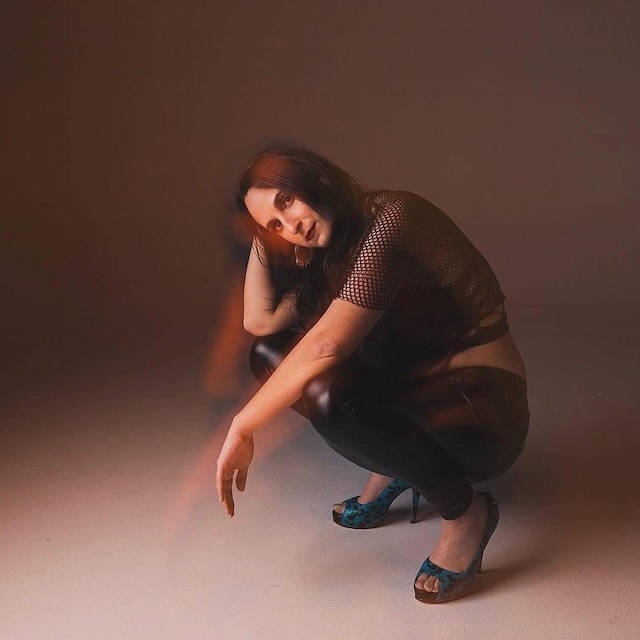
The Artist and the Business Owner
Good Hours: You’ve occupied both sides of the music business — creating your own work while also helping other artists market and position theirs. Has working behind the scenes changed the way you think about your own creativity or the pressure artists put on themselves to be visible?
Oh yes, I understand what it takes on both sides. This is why I have been able to build so much buzz around my book Becoming Unstoppable. From having a marketing background and being in the industry for 13 years, I understand the keys. Branding, marketing, PR, building buzz, sharing a powerful message, and connecting with a community of people who believe something similar.
In this case, it’s about uniting people around the mission to become unstoppable in their lives. Whatever that means to them. I also apply this to my music. Making sure I have strong mixes for my songs, powerful artwork, and a powerful theme.
Being an artist is NOT EASY. Being an entrepreneur is equally not easy. In order to thrive, you need to be BOTH this day in age if you want to be creative. You must also be a business owner and take on that mindset. Even if you are just a solopreneur.
Good Hours: There is enormous pressure now for creative people to become brands as well as artists, writers or musicians. Where do you think useful self-promotion ends and the feeling that your entire life has to become marketable begins?
It all comes down to your story. As I tell my clients a million times over, no one cares that you have a good song out. They care about your story, who you are, what you stand for, what you care about, and the message of your music.
I would say it is less about promoting themselves as just the product/service provider. It is more about providing value so people come back. This is what my colleague Evan Stein of Experience Music Group has taught me over and over when it comes to branding.
Some artists are super comfortable with sharing very personal parts of their lives, and some just rather share a mission or message but not necessarily EVERY detail of their lives. It varies so much person to person. I would say if you are being more vulnerable and make your fans feel like they’re your friends, you will have a way higher chance of having them invest in you in the future.
What Matters More Than Numbers
Good Hours: Is there a piece of career advice you would have confidently given someone ten years ago that you no longer believe? What changed your mind?
10 years ago, hmm. I think I would have said it’s important to build your network, and the more people you know, the better. But now I would say it is more important how valuable others think you are than how many people you know.
You could have 100,000 followers on Instagram, but if 1% engages, it’s kind of pointless. Where you could have 500 LinkedIn connections, but those 500 people would vouch for you and all refer you to clients. That is way more powerful.
What Can Still Stop Dani Felt?
Good Hours: Your book is called Becoming Unstoppable, so I have to end with the opposite question: after everything you’ve learned and built, what can still stop Dani Felt — or at least make you put something down, rethink it and choose another direction?
Self-doubt, criticism, equating the amount of money you make with success, comparing myself to best-selling authors, not having enough followers, lack of sales in a month. So many things!
There is something revealing about that final answer. After a conversation about business, belief and building a career, Felt does not claim to have moved beyond uncertainty. The same doubts that accompany so many independent creatives still find their way into her working life.
Perhaps the more useful idea behind Becoming Unstoppable is not that doubt disappears. In Felt’s account, ambition sits alongside comparison, confidence alongside rejection, and the freedom of working independently alongside the occasional need to switch off the phone and spend a day doing nothing.
The book is currently available in hardcover, paperback, and audiobook through major booksellers, including Amazon, Barnes & Noble, Books-A-Million, AbeBooks, Rye Field Books,and Audible, with physical copies currently carried at select Barnes & Noble locations throughout the Los Angeles area.
Dani Felt: Frequently Asked Questions
Who is Dani Felt?
Dani Felt is a recording artist, author, publicist, branding strategist and entrepreneur who works across music, marketing and creative career development. Her ventures include Music Industry Mastery.
What is Becoming Unstoppable about?
Becoming Unstoppable explores mindset, self-worth and the pursuit of personal and professional goals. Felt describes the book as an opportunity to share perspectives and lessons she developed through her own experiences and work with coaches.
What does Dani Felt say about creative success?
Felt argues that building an audience and developing a business mindset are essential parts of sustaining a creative career. She also questions the value of professional success when it comes at the expense of happiness and self-worth.
Why did Dani Felt remove social media from her phone?
She says scrolling had begun to consume her time, reduce her motivation and encourage comparisons with influencers and other people’s lives. Removing social media from her phone helped her redirect attention towards her own goals.
How does Dani Felt approach difficult days?
Felt describes listening to music, crying, eating comforting food, exercising, writing, using tapping techniques and occasionally taking a day away from work. She sees the flexibility to rest when needed as one benefit of working independently.
What has Dani Felt learned about networking?
Her view has shifted from prioritising the number of professional contacts to valuing relationships built on trust and genuine support. She believes a smaller network of people willing to recommend your work can be more useful than a large but disengaged following.
Instagram | Website | LinkedIn Newsletter