Some songs arrive at the right moment. Others have to wait years for the world — or the person who wrote them — to catch up.
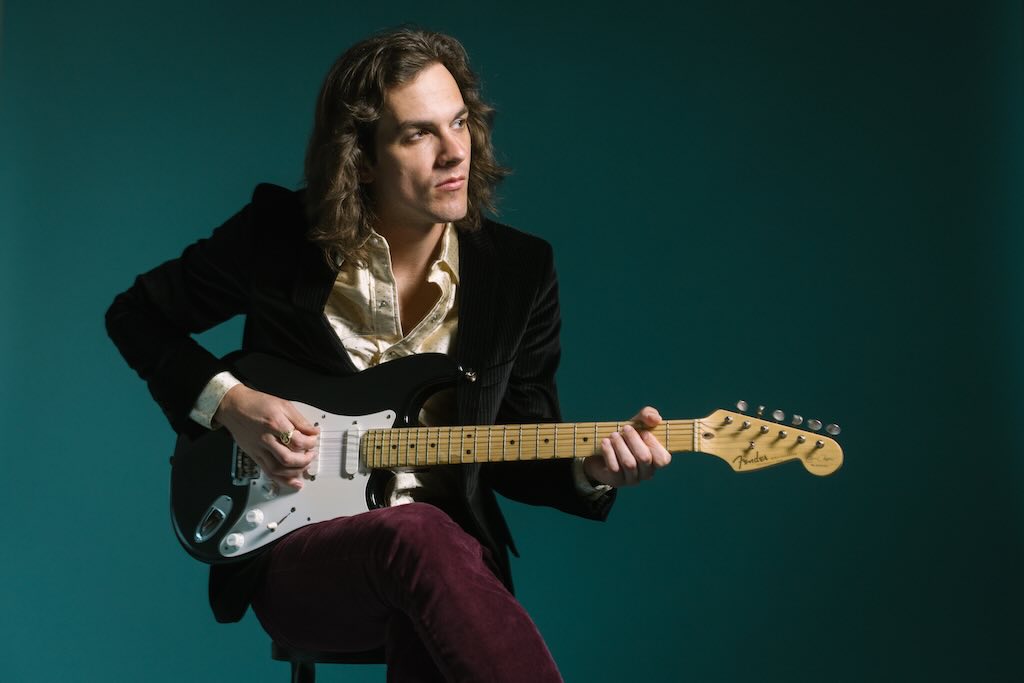
For Muscle Shoals singer-songwriter Bay Simpson, that distinction is particularly meaningful. A song he first wrote in 2019 was dismissed at the time for being too rock ’n’ roll. Rather than disappearing, it eventually found its way back into his creative life, becoming part of a path that has taken him through different musical experiences and toward his latest EP, The New Normal.
Simpson’s story is rooted in Muscle Shoals, Alabama, a place with a musical history that can be both an inspiration and a formidable presence for anyone trying to establish a sound of their own. His path has included performing with the Outlaw Apostles, working in the studio and navigating the unpredictable realities of building a career in music.
With The New Normal, Simpson brings together the experiences that have shaped him, including the songs that took longer than expected to find their place.
For Good Hours, he reflects on the music that stayed with him, the lessons learned along the way, and what it means to keep making something you believe in even when other people aren’t quite ready to hear it.
Good Hours / Music
Artist File — 2026
In Conversation
Bay Simpson
Singer-Songwriter / Muscle Shoals, Alabama
“I remember knowing deep down in my heart that I was going in more of a rock n roll direction musically, and one day I would be releasing that song.”
Bay Simpson / On The New Normal
Good Hours — For the hours that make a life.
Artist
Spotlight
Good
Hours
Growing Up Without Genre Boundaries
Good Hours: You grew up in Muscle Shoals, where country, rock, soul and blues have lived alongside one another for generations. When you were young, did those genres actually feel separate to you, or did you only become conscious of those boundaries once you entered the music business?
I absolutely never thought about genre when I was younger, and I don’t think about it much now to be honest. To me, it comes down to “does the music move me?” “Does it make me feel something?” I’ve never cared about genre. The industry cares about it, but I struggle to bring myself to care about it. I do consider myself a rocker though, because all the great rock n rollers of their time took influence from many genres.
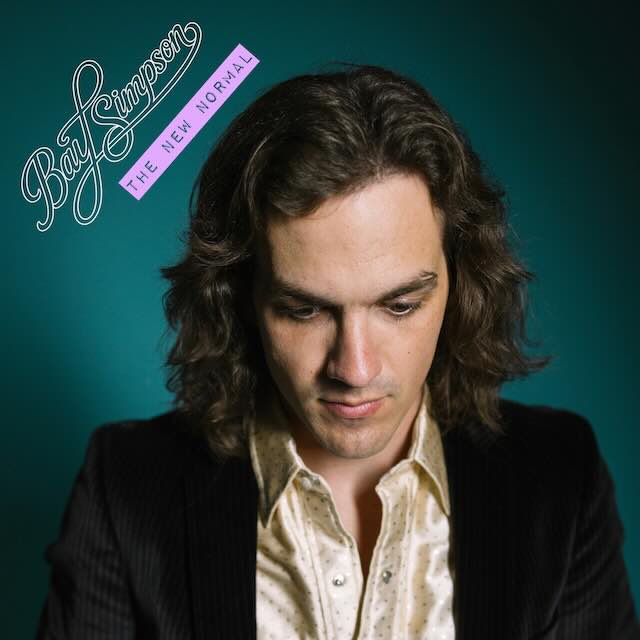
Good Hours: “The New Normal” was written in 2019 and originally didn’t make the cut because it was considered too rock ’n’ roll. Do you remember how that felt at the time — and is there something satisfying about the very quality that once made the song difficult to place now becoming part of the identity of your own record?
Well, I remember everybody being on the fence about the song because we were pursuing a country record deal. I think it also came down to the fact that my band struggled to pull it off in the appropriate way in the studio. We played the song at live shows, but it never really made it into the rotation as a solid enough recording that got pitched. I remember knowing deep down in my heart that I was going in more of a rock n roll direction musically, and one day I would be releasing that song. And here we are now.
The Songs That Stayed
Good Hours: These five songs have followed you through different bands, writing rooms, stages and chapters of your life. When you hear an older song now, do you hear the person you were when you wrote it, or has performing it for years made it belong to your present life too?
I hear both. I hear the green kid that I was back then, but I also hear the more experienced veteran that has played these songs so many times, I could now play them in my sleep. I certainly write songs a little bit differently now than I did then. I believe I am a better writer now. However, these songs are still really important to me. As an artist, I feel like I have to release them into the world before I can finally move on to what’s next.
Good Hours: You’ve said you’re happy to finally get these songs “off your chest.” Why do you think we sometimes hold onto creative work that matters to us rather than immediately putting it into the world?
Speaking for myself, I held on to these because the earlier recordings never felt like they were in the right place. I don’t want to release something if something seems a little off. That is the main reason I held on to these. Luckily, thanks to my buddy Jimmy Nutt’s Reverend guitar, I think we finally got the right sound on these tracks.
Good Hours: The title song looks at a noisy, divided world but deliberately avoids telling the listener what to believe. When you’re writing about something happening beyond your own private life, where do you draw the line between observing the world and trying to explain it to somebody else?
I just want to write songs that can be sung by every side. I have friends and fans on every side of the aisle. I don’t want to alienate anybody at all. To me, rock n roll is about unification. I grew up on songs like “Fortunate Son” and “For What It’s Worth”. Songs that everybody in America can understand, no matter what they believe. We all know this is an unfair existence to a certain extent. We are all in this thing together for better or worse. I think we all just have to get over it and get after it.
The Long Work Between Moments of Success
Good Hours: You were only 20 when Kid Rock recorded “Never Enough.” What did having something significant happen that early teach you about success — and what did it not prepare you for about the years of work that followed?
It taught me that success was possible, which was a big deal for a kid in college that was dealing with a lot of doubt and uncertainty. I think what I didn’t realize then was that success is momentary. You have to put in days/months/years of work to experience a “moment” of success. A career is built out of stacking those moments, and I’m just trying to find the next one.
Good Hours: You spent years fronting Outlaw Apostles before arriving at this solo chapter. What’s different emotionally about walking onto a stage under your own name rather than as part of a band identity you’ve lived inside for years?
It’s a little scary walking out under your own name at first. Knowing that everything about your show and art is ultimately your responsibility now. That’s a mental challenge more than anything. I ultimately believe in what I do and who I am, so I’m able to keep the emotions in check most of the time.
Good Hours: Adam Levine recognised the rock ’n’ roll in you on The Voice, and now the song once deemed “too rock ’n’ roll” is at the centre of this EP. Did hearing someone else identify that part of you so clearly affect the way you eventually understood yourself as an artist?
I think deep down I always knew I had a rock n roll style voice. I listened to so much of it growing up that I just understand how the singers of classic rock phrase things. We learn so many little intricacies of a style subconsciously when we listen to it nonstop. At the same time, it was very cool to get the stamp of rock n roll approval from Adam Levine.
What the Stage Teaches
Good Hours: “Different Animal” and “Livin’ the Blues” typically close your live shows. What can years of playing a song in front of people teach you about it that you could never discover in a writing room or recording studio?
I think it teaches you how to keep the audience engaged. The whole arrangement of “Livin The Blues” has been molded to work people into a frenzy in a live setting, and it usually works. That’s what you learn by playing it live.
Good Hours: After so many years spent writing, touring, recording and moving through different versions of a music career, what part of your life has remained surprisingly ordinary? What does a good day look like when you’re not being Bay Simpson the performer?
I try to spend a ton of time with my family. I am a family oriented person. I’m even in a side project band with my family literally called, “The Family”. I’m a pretty regular guy. I love sports and video games, and I don’t go out much anymore when I’m off. That’s probably because I’m always out when I’m doing my job.
Back to FAME Studios
Good Hours: If you could walk back into one room from your musical life — an old rehearsal space, a writing room, a backstage area, somewhere in Muscle Shoals or somewhere nobody else would consider important — which room would you choose, and what do you think you’d notice now that you didn’t notice then?
I think I would choose to go back to FAME Studios when I was an 8 year old kid. I used to have to hang out in the studio after school while my mom and stepdad worked on their albums. At that period time, the likes of Jason Isbell and John Paul White were also writing in the rooms at FAME. To look back on that now, and think that almost 20 years later, I’m trying to follow in their footsteps. That’s the cool stuff to me.
There is something quietly fitting about Simpson choosing FAME Studios as the room he would revisit. Before he was thinking about record deals, genre expectations or whether a song was ready to be released, he was a child spending afternoons in a studio while his family worked.
Years later, he is still finding his way through those same questions of sound and timing. The New Normal gives five songs the recordings he wanted them to have. It also makes space for whatever he writes next.
Bay Simpson: Frequently Asked Questions
Who is Bay Simpson?
Bay Simpson is a singer-songwriter from Muscle Shoals, Alabama. He previously fronted Outlaw Apostles and has since pursued music under his own name, drawing on rock, country and other styles that shaped his upbringing.
What is Bay Simpson’s EP The New Normal about?
The New Normal brings together five songs Simpson wrote and performed across different periods of his career. He says he waited to release them because earlier recordings had not captured the sound he wanted.
Why was the song “The New Normal” originally set aside?
Simpson says the song, written in 2019, was considered too rock ’n’ roll while his band was pursuing a country record deal. He also felt the studio recording had not fully captured the song.
What is Bay Simpson’s connection to Muscle Shoals?
Simpson grew up in Muscle Shoals and spent time at FAME Studios as a child while his mother and stepfather worked on their albums. He recalls Jason Isbell and John Paul White writing there during that period.
What did Bay Simpson learn from his early music career?
Simpson says that having a song recorded by Kid Rock when he was 20 showed him success was possible. He later came to understand that a lasting career depends on years of work between those individual moments of recognition.
What does Bay Simpson do outside music?
He enjoys spending time with family, following sports and playing video games. He also performs in a family side project called The Family.
For more information on Bay Simpson, please visit
https://www.instagram.com/baysimpsonmusic