
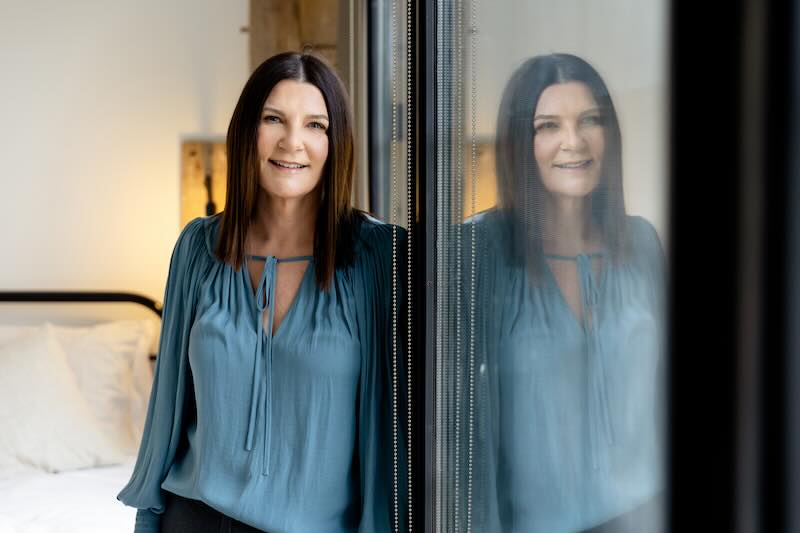
Georgia Foster has spent nearly three decades listening to the private conversations people have about alcohol — not only what they drink, but why they reach for it in the first place. Her work has focused on the territory that can be harder to talk about: people who may not identify with having a drinking problem, yet still find themselves wishing they had stopped a glass or two earlier.
It is an interesting middle ground, particularly in a culture where alcohol can become shorthand for switching off, celebrating, socialising or simply marking the end of the working day. Foster’s approach asks what happens before the drink is poured: the habits, expectations and internal conversations that can make drinking feel almost automatic.
For Good Hours, we spoke with Foster about why moderation can sometimes feel more complicated than abstinence, the role alcohol plays beyond the drink itself, social pressure, shame and self-criticism, and what nearly three decades of conversations have taught her about the changing way we drink.
In Conversation
Georgia Foster
The interesting part of drinking does not always begin with the glass itself. For Georgia Foster, the conversation starts earlier — with reward, routine, social pressure, self-criticism and the quiet expectations that can turn a conscious choice into something almost automatic.
Good Hours For the hours that make a life.

The Space Between Comfortable and Too Much
Good Hours: You’ve spent nearly three decades listening to people talk privately about their relationship with alcohol. What have those conversations taught you about why we drink that you don’t think we talk about enough publicly?
I think there is a stigma attached to people who drink too much. They know they are not alcoholics but have become emotionally dependent on it. These people are fully functioning people who run businesses, households and are good people in society. They know drinking is an issue but don’t want to quit, but because there is so much shame attached they tend to keep it to themselves.
Good Hours: There’s a large group of people who would never describe themselves as having an alcohol problem, but still find themselves thinking, “I wish I’d stopped two drinks earlier.” What is happening in that space between being comfortable with your drinking and knowing you’d like something to change?
When people drink alcohol dopamine increases, so they start feeling more relaxed. The mind and body enjoys this feeling, so it’s not unusual for someone who promises only two drinks tonight gets hooked into the feelings of calm, so they want more.
Good Hours: A glass of wine or a drink after work can become almost shorthand for “the day is over; now I can relax.” Why do you think alcohol becomes so closely attached to that transition from being switched on to switching off?
Drinking alcohol to sign off the day is a very familiar habit in many households. It’s something that is an acceptable way to prepare for a relaxing evening. Nothing wrong with drinking, but if it becomes a way to shut off from the world, it can become a problem.
Good Hours: You often focus on the thinking that happens before the drinking. What might that internal conversation actually sound like on an ordinary evening, and at what point does a conscious choice start becoming an automatic habit?
The inner conversations can range from “You’ve had a rough day, now it’s time to reward yourself!” Or “It’s time to look after me, as I’ve been looking after everyone else. It’s my treat to myself.” Then there is a harsher self-critical voice that says, “You shouldn’t drink tonight, you promised yourself you wouldn’t drink but I bet you do!” And they do!
“They know drinking is an issue but don’t want to quit, but because there is so much shame attached they tend to keep it to themselves.”

Social Pressure and the Middle Ground
Good Hours: Social drinking brings another layer because alcohol is tied to celebrations, dinners, holidays and friendships. What have you learned about the pressure people can feel when they quietly decide to drink less but everyone around them is carrying on as usual?
Unfortunately there are many people who cover up their own drinking issues by coercing others to drink with them. Pleaser personalities in particular can feel the pressure and drink more than they want to. I often say sometimes little white lies are key to protect drink less goals. Saying things like, “I have a big day tomorrow so I am going to pace myself.” Or, “I am on medication, so will have to stay on water tonight.” It is important to look after yourself rather than drinking to please others.
Good Hours: For some people, moderation can involve making the same decision repeatedly — whether to have a drink, whether to have another, when to stop. Can drinking less actually be more psychologically complicated for some people than deciding not to drink at all?
There are many people who I refer to as perfectionist drinkers. They are either abstaining for weeks or drinking heavily. They are high achievers and use alcohol as a way to be present and not so driven. I find these types of drinkers tend to be the ones who do quit because they can’t find the middle ground of drinking. They don’t trust themselves with alcohol, so it’s just easier not to go there anymore.
The Inner Critic
Good Hours: Your work talks about the inner critic and the different ways we speak to ourselves. How much can shame — particularly the morning-after promise of “I’m never doing that again” — get in the way of making a lasting change?
The inner critic sabotages best made plans. A lot of drinkers are unaware of this voice and are drinking to run away from its negativity. When we drink alcohol, the inner critic goes away, which is why so many people drink — to escape the anxiety it drives. However, in the morning it comes back with a vengeance, so the habit of drinking to escape is created.
Good Hours: You’ve spoken openly about your own experience of drinking more than you wanted to. Was there a particular moment when your understanding shifted from “I need more self-control” to questioning what was happening underneath the habit?
I drank because I had a lot of social anxiety and low self-worth. I drank because I thought it would make me more interesting, funny and more relaxed around others. When I discovered my inner critic was driving this, I knew I could change the inner dialogue. My sober self-esteem through the power of hypnosis really helped me. I do drink but not to run away from myself anymore.
“I do drink but not to run away from myself anymore.”
Good Hours: Drinking is sometimes blamed for the problem when it may also be serving a purpose — helping someone deal with stress, loneliness, boredom, social anxiety or simply giving them permission to stop for the day. If someone removes or reduces the drinking without understanding what it was doing for them, what can they miss?
I think reducing or quitting drinking can be a great opportunity to build sober self-worth. It’s a liberating experience and one to be congratulated. When someone decides to do something positive about their health and wellbeing, life improves. They realise they don’t need to drink to deal with these feelings.

How the Conversation Is Changing
Good Hours: After working in this area for so long, has anything about drinking culture changed noticeably? Are the conversations people have with you today different from the ones you were having twenty or twenty-five years ago?
I think the conversations about drinking are more open and less judgemental. However, we have a long way to go. There are a lot of Sober Coaches out there which is great but there still isn’t enough support for those who want to drink less. I don’t believe everyone needs to quit. I do truly believe middle ground drinking is possible with the right support.
Good Hours: Finally, imagine someone reading this over their morning coffee after another evening when they drank slightly more than they intended. They don’t want a label and they aren’t necessarily interested in giving alcohol up. What would you want them to become curious about before they start criticizing themselves?
A good way to start is to explain that the inner critic is just one voice. Keep an emotional diary for a week of what the triggers to drinking too much are. There will be a pattern. Starting to be kinder to yourself and doing healthy positive things can switch you over into a calmer space before you drink. It’s not about being perfect but rather honouring life is very rarely perfect and the odd hangover is okay, but if it happens on a regular basis, there needs to be some sort of understanding why they want to drink so much on a regular basis.
Across Foster’s answers, the recurring question is not simply how much someone drinks, but what surrounds the glass: the reward at the end of a difficult day, the pressure of a social setting, the critical voice that arrives the following morning. Her perspective leaves room for a conversation about alcohol that does not begin with a label — but with noticing the patterns that have become ordinary.
Georgia Foster: Frequently Asked Questions
Who is Georgia Foster?
Georgia Foster has spent nearly three decades working with people around their relationship with alcohol, including people who want to drink less without necessarily wanting to stop drinking altogether.
Why does Georgia Foster focus on the thinking that happens before drinking?
Foster’s approach considers the internal conversations and emotional patterns surrounding alcohol. In the interview, she describes thoughts about reward, relaxation and self-criticism that can become connected with drinking.
What does Georgia Foster mean by a “perfectionist drinker”?
Foster uses the term for people who move between periods of abstinence and heavier drinking and find it difficult to establish a middle ground. She says some ultimately choose not to drink because abstinence feels easier than repeatedly negotiating moderation.
Does Georgia Foster believe everyone who drinks too much needs to quit alcohol?
No. Foster says she does not believe everyone needs to quit and believes that some people can find a middle ground with appropriate support.
What does Foster suggest noticing when someone repeatedly drinks more than intended?
She suggests paying attention to emotional triggers and patterns rather than immediately turning to self-criticism. One practical approach she mentions is keeping an emotional diary for a week to notice what tends to precede drinking too much.